is is s' or s's



































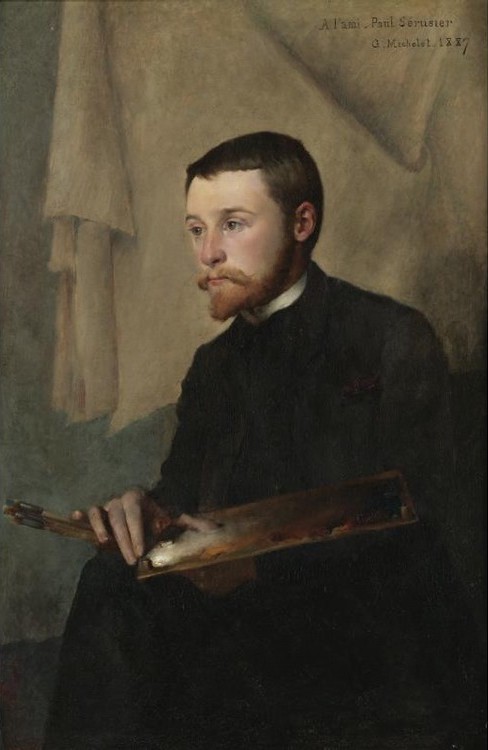
Paul Sérusier was a French Post-Impressionist painter and theorist, notable for his significant contributions to the art movement known as the Nabis. Born in Paris on November 9, 1864, Sérusier's work is characterized by its expressive use of color and pattern, inspired by the techniques of Paul Gauguin. He is best known for his exploration of color, sensation, and abstraction, particularly evident in works like "Le Talisman, the Aven River at the Bois d'Amour" (1888). This painting marks a departure from the Impressionists' more faithful representation of observed reality, focusing instead on translating sensations onto the canvas with vibrant brushstrokes and an emphasis on emotional expression over visual accuracy.
Sérusier's paintings often feature the landscapes and people of Brittany, notable for their contemplative mood achieved through firm contours and blocks of unmodulated color. His style evolved under the influence of Synthetism and Cloisonnism, favoring flattened forms and large swathes of color, as seen in "Farmhouse at le Pouldu" (1890). This approach reflects a decorative organization of objects, emphasizing the craft and execution of the scene.
Some of Sérusier's notable works are housed in prestigious museums such as the Musée d'Orsay in Paris, including "Portrait of Paul Ranson in Nabi Costume" (1890) and "Landscape" (1912). His legacy extends beyond his own artworks; he was a key figure in the formation of the Nabis movement, and his theoretical contributions have had a lasting impact on the art world.
For collectors and experts in art and antiques, Sérusier's work represents a unique blend of post-impressionist and symbolist styles, making his pieces highly valued both for their historical significance and their aesthetic appeal. To stay updated on new product sales and auction events related to Paul Sérusier, sign up for our updates. This subscription service is exclusively focused on providing information related to Sérusier's work, ensuring you remain informed about opportunities to acquire pieces by this influential artist.
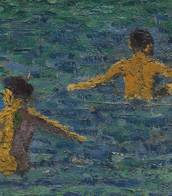
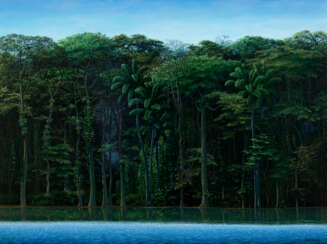

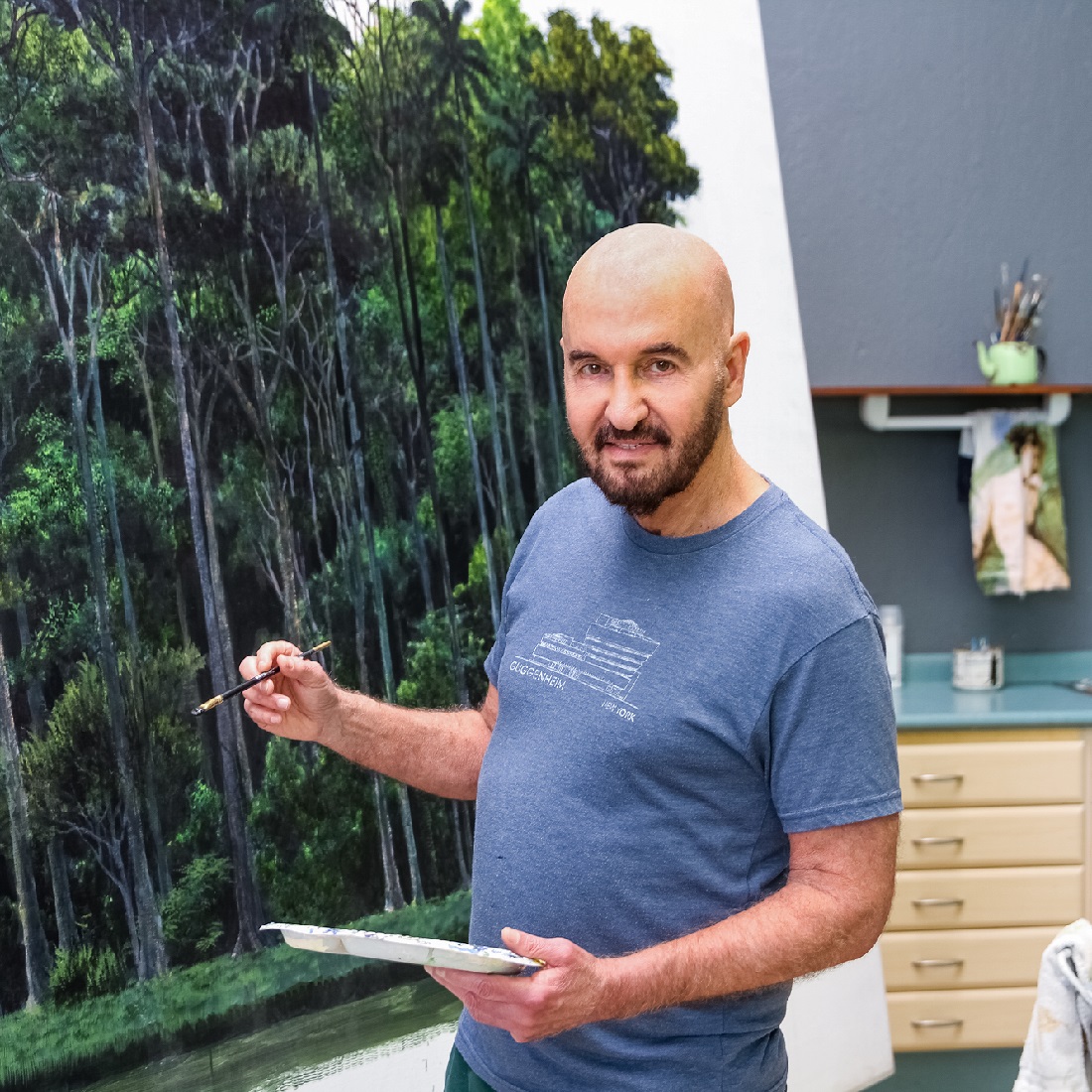
Tomás Sánchez is a Cuban painter and engraver, known for his landscapes. Sánchez is the most expensive living Cuban painter.
In 1980 he won the First Prize at the XIX Edition of the International Prize of Drawing Joan Miró, for his work Desde las aguas blancas, which launched his international career. The following year, he had an exhibition at the Joan Miró Foundation, Centre of Contemporary Art in Barcelona, Spain.
His work has been exhibited in over 30 countries. In May 2019 three of his paintings headed to Christie's Latin American Art sales.
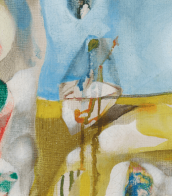
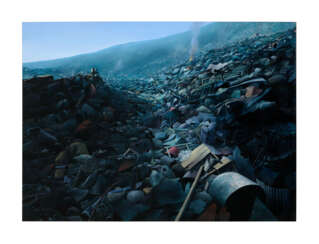

Tomás Sánchez is a Cuban painter and engraver, known for his landscapes. Sánchez is the most expensive living Cuban painter.
In 1980 he won the First Prize at the XIX Edition of the International Prize of Drawing Joan Miró, for his work Desde las aguas blancas, which launched his international career. The following year, he had an exhibition at the Joan Miró Foundation, Centre of Contemporary Art in Barcelona, Spain.
His work has been exhibited in over 30 countries. In May 2019 three of his paintings headed to Christie's Latin American Art sales.









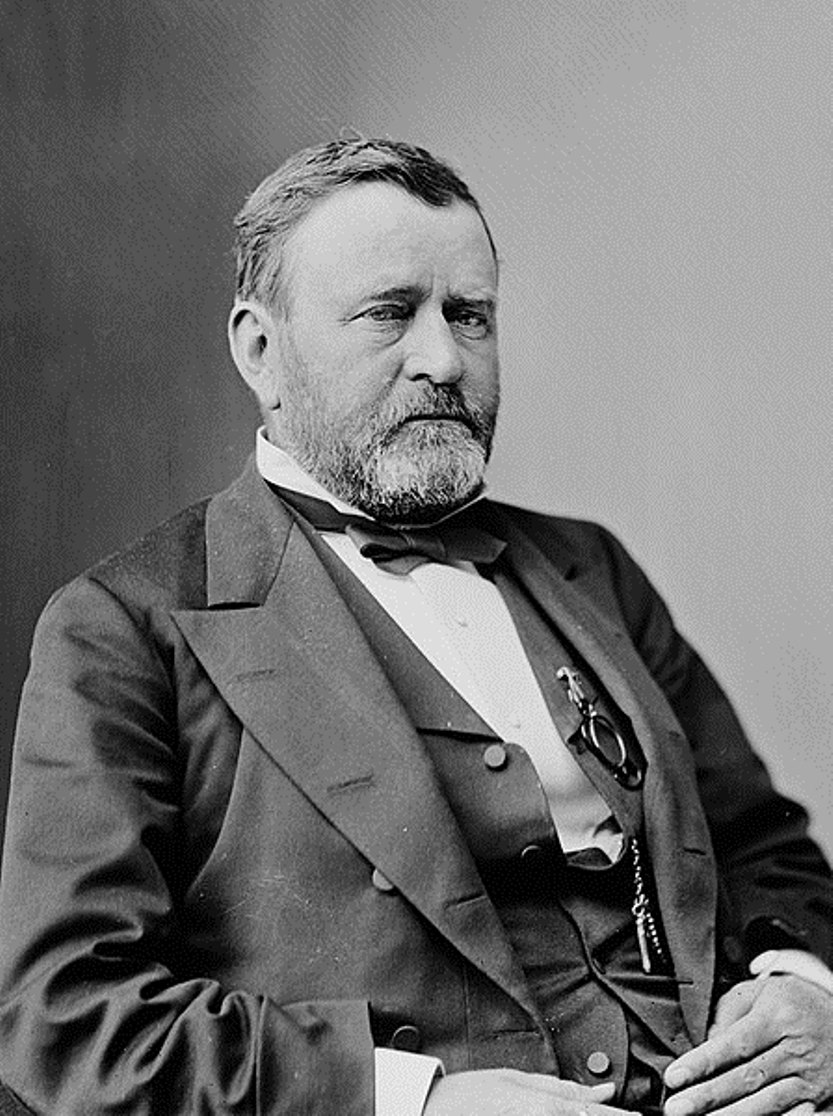
Ulysses S. Grant, born Hiram Ulysses Grant, was an American politician and military leader who was the 18th President of the United States (March 4, 1869 - March 4, 1877).
Grant's father was a tanner and enrolled his son in the United States Military Academy at West Point, New York. Ulysses Grant distinguished himself in the Mexican-American War, then fought in the Civil War, was a brigadier general, and was given command of the District of Southeast Missouri. In March, 1864, Grant became lieutenant general and was given command of all the armies of the United States. In 1866, he was promoted to the newly established rank of general in the U.S. Army.
Grant continued as commander-in-chief after Lincoln's assassination and during the administration of U.S. President Andrew Johnson. However, the situation was such that Ulysses Grant won the next presidential election and became the 18th President of the United States on March 4, 1869. He was politically inexperienced and personally clean, but his time as president was marked by corruption and scandals. During his two presidential terms, Grant worked hard to re-unite the North and South, opposing the nascent Ku Klux Klan.
In 1877, after leaving the presidency, Grant traveled around the world with his wife, and everywhere he was received with glee. Then his attempts at business led to complete bankruptcy. Ulysses Grant spent the last years of his life writing his memoirs while battling poverty and throat cancer. With the help of writer Mark Twain, his two-volume work was published in 1885, two months before the author's death.